Vetiver (Vonne Napper) (b. 1989) is a Washington, DC-based transdisciplinary artist, facilitator, educator, printmaker, and land steward. Their practice centers on preserving Black queer & trans identities and co-creating with the earth and others through holistic approaches. Identifying as nonbinary & trans-masculine, Vetiver pulls from their lived experience to highlight the challenges of existing at a particularly targeted intersection in society, and employs their ancestry and relationship with nature to establish connections between the communities to which they belong.
Vetiver is an intuitive autodidactic and earned their Master of Fine Arts in Community Arts at Maryland Institute College of Art. They developed the first arts-based program for middle school students, The Roundhouse Connection, at the B&O Railroad Museum, and have exhibited their work and facilitated intergenerational programming throughout the Baltimore and DMV area including the Peale Museum, Virginia Commonwealth University, Prince George’s African American Museum and Cultural Center, Transformer DC, Gallery Y (YMCA Anthony Bowen), Baltimore Clayworks, and Baltimore Museum of Art.
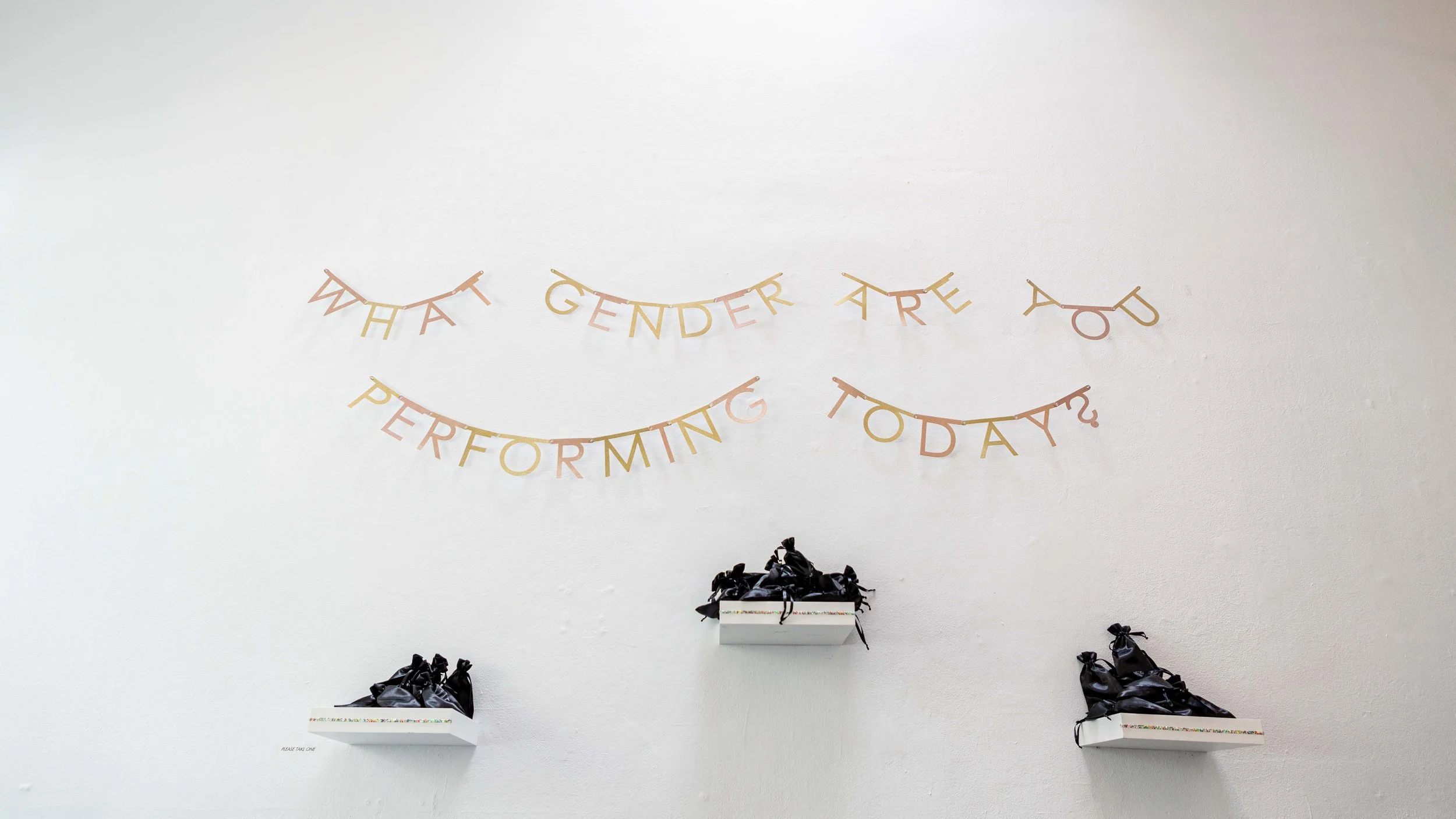
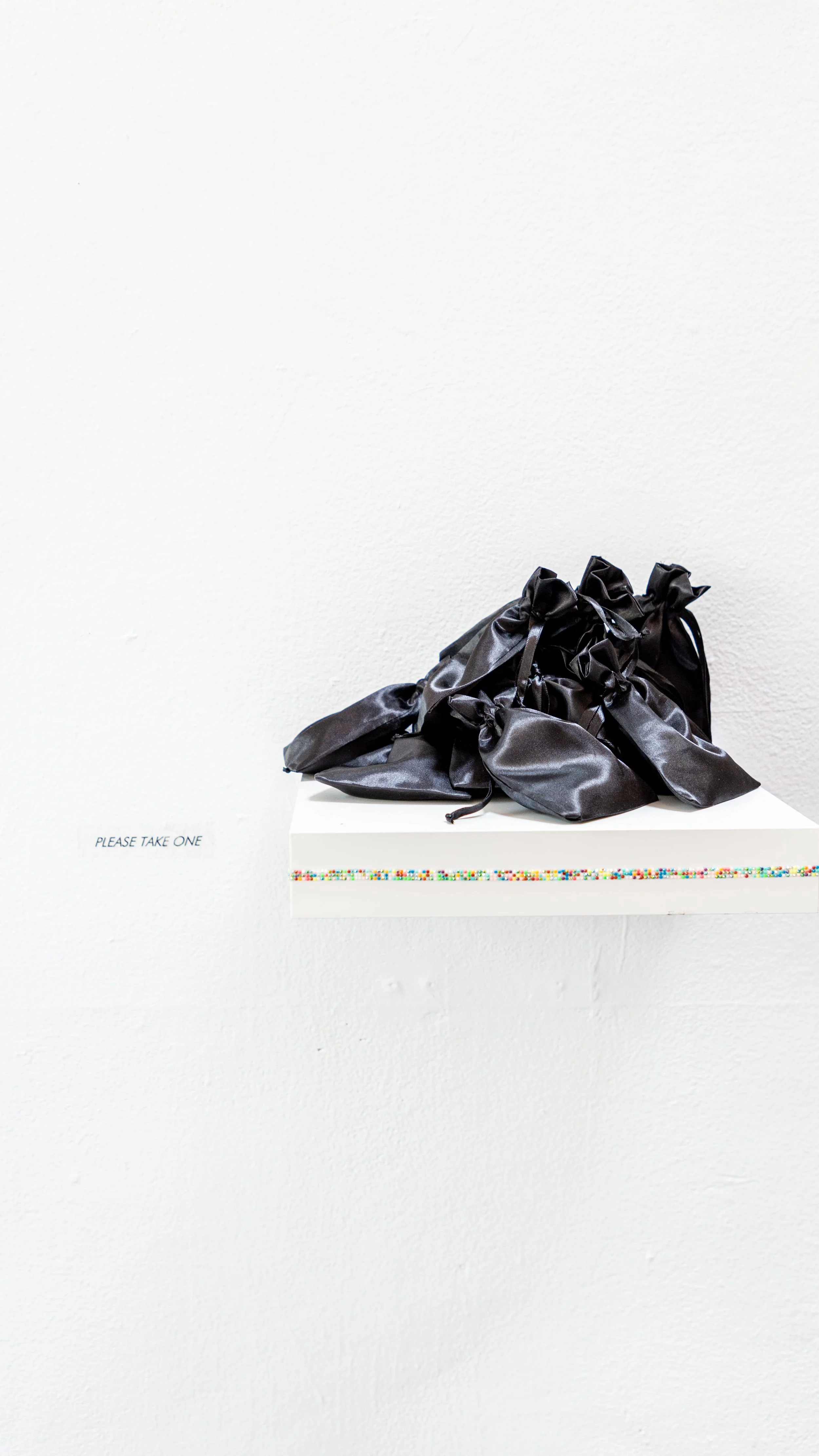
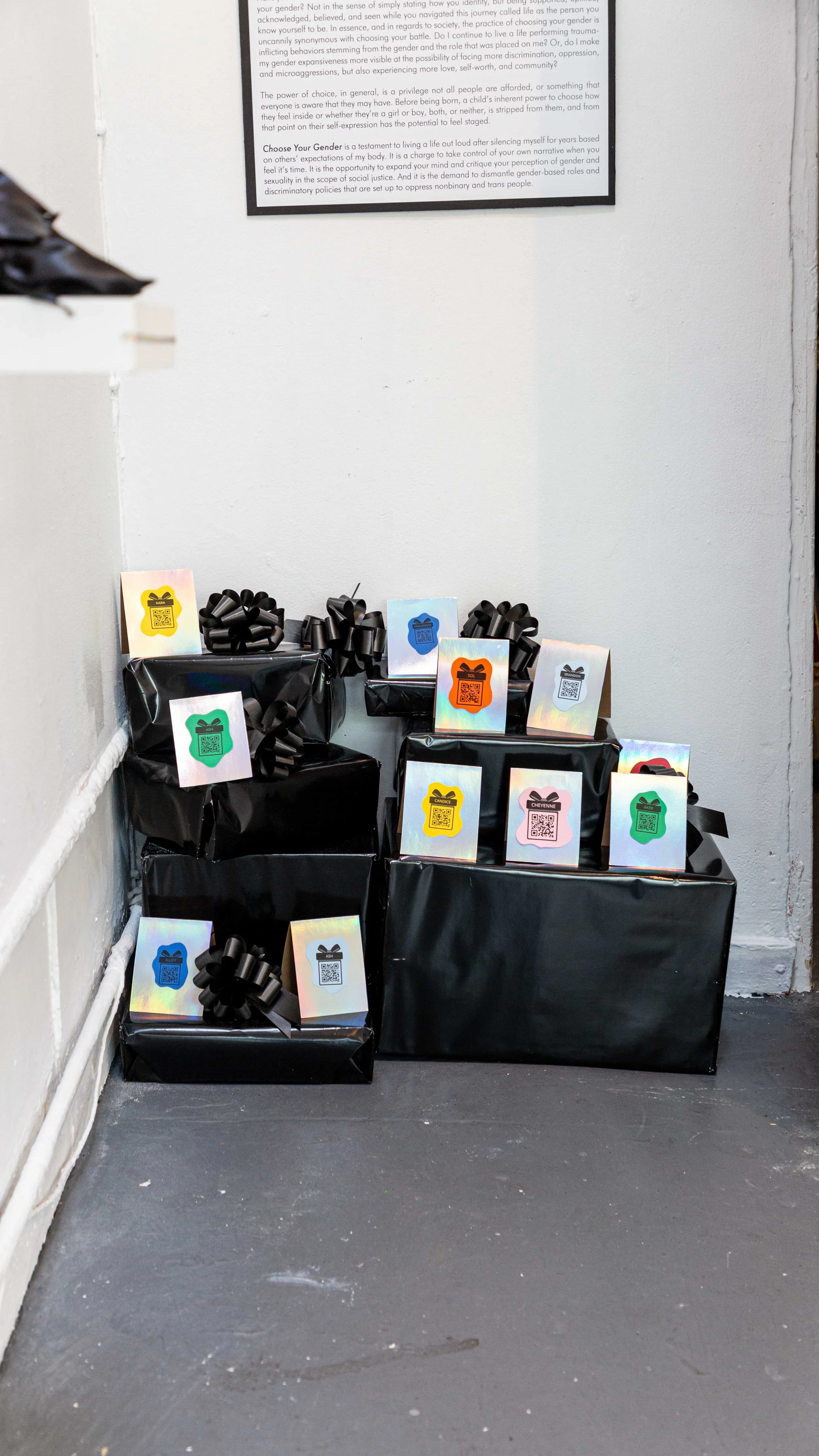
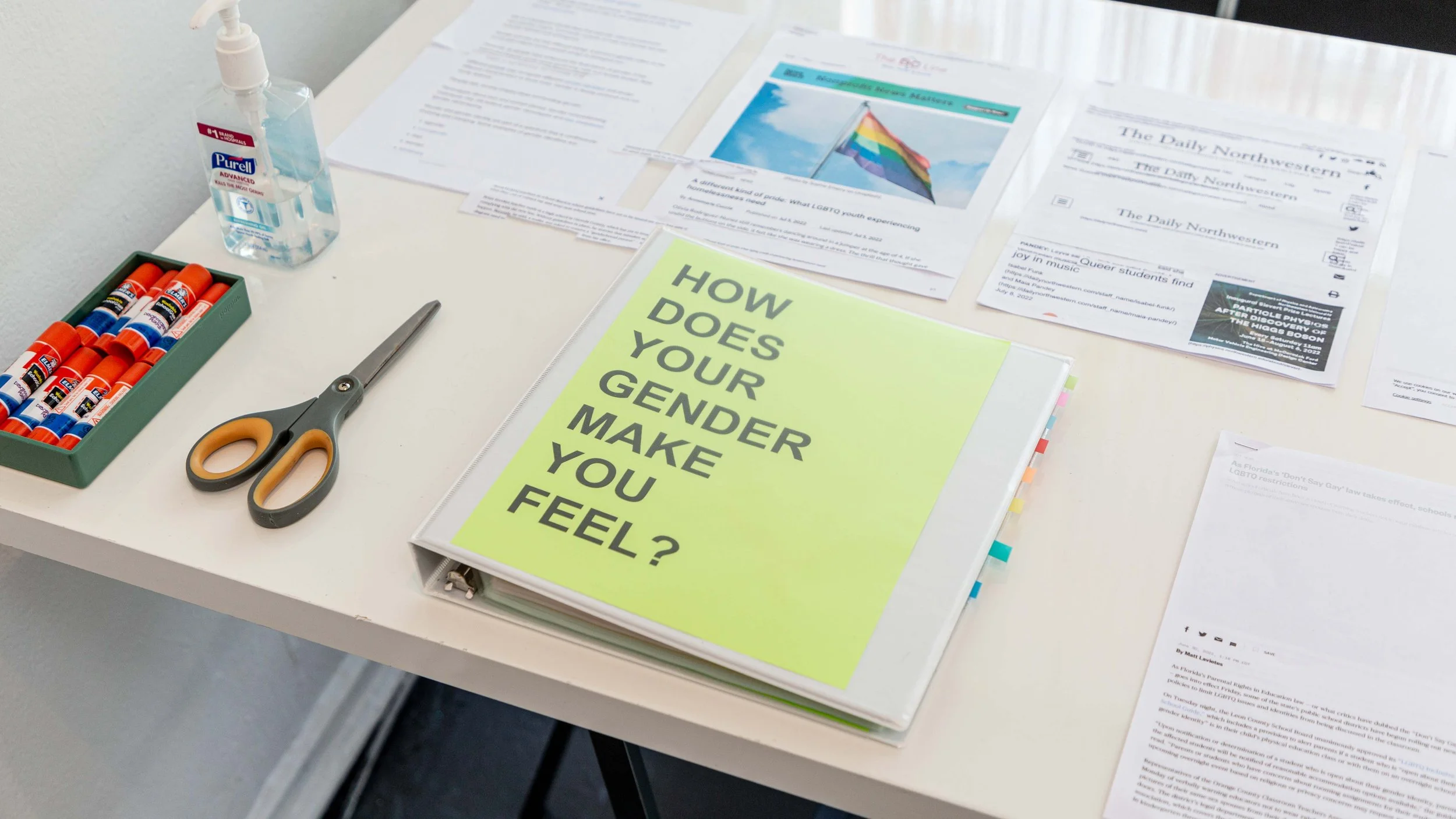
My art practice is a modality for healing that employs the inherent connection between plant biodiversity and humanity to critique ingrained perceptions of gender and sexuality. Centered on Black queer and trans people, my work is an act of resistance, evoking the feeling of joy and pride while fighting against erasure and violence.
When we critically analyze ourselves as a society and our overlapping traits, we have the opportunity to shift how we view our differences, respecting and honoring the way they inform and contribute to our collective existence and evolution. For years, the world has benefited from the social changes initiated by Black queer and trans people. Yet we are one of the most unprotected groups, with our rights and our lives constantly being taken from us. Growing up, I had no idea we truly existed due to religious barriers and underrepresentation in media and literature. When printmaking and oral histories entered my life in graduate school, I knew where I needed to direct my efforts.
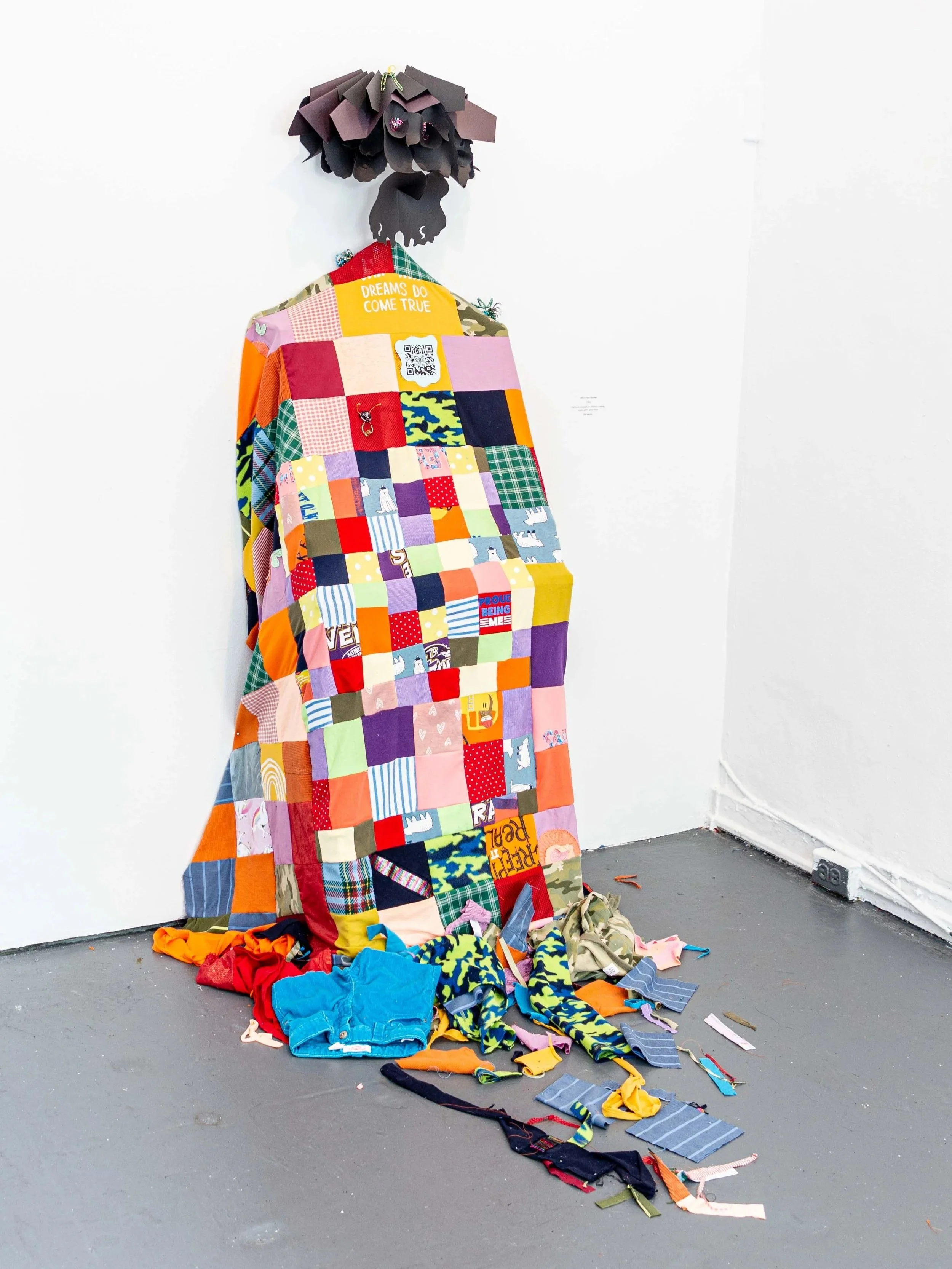
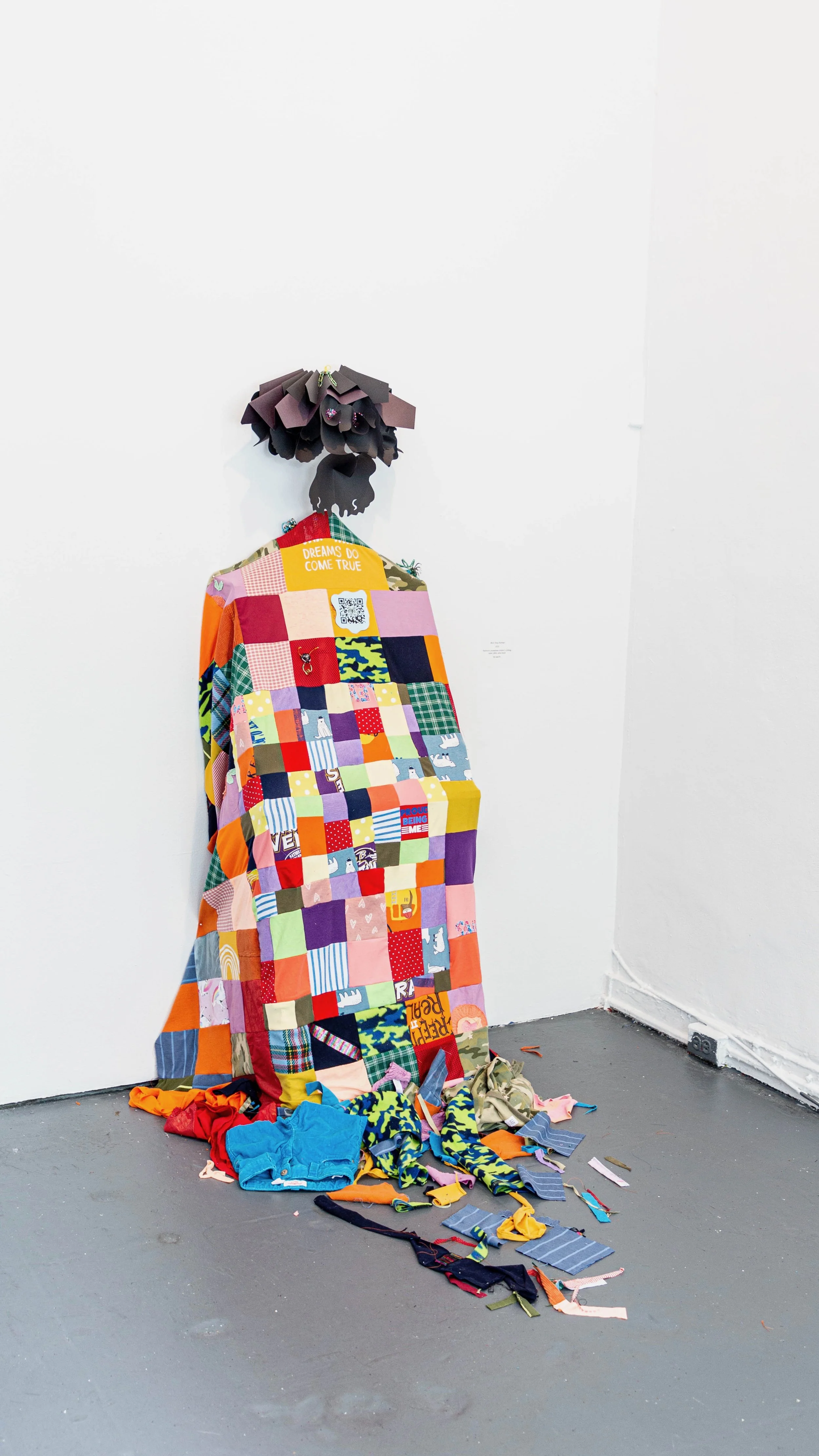
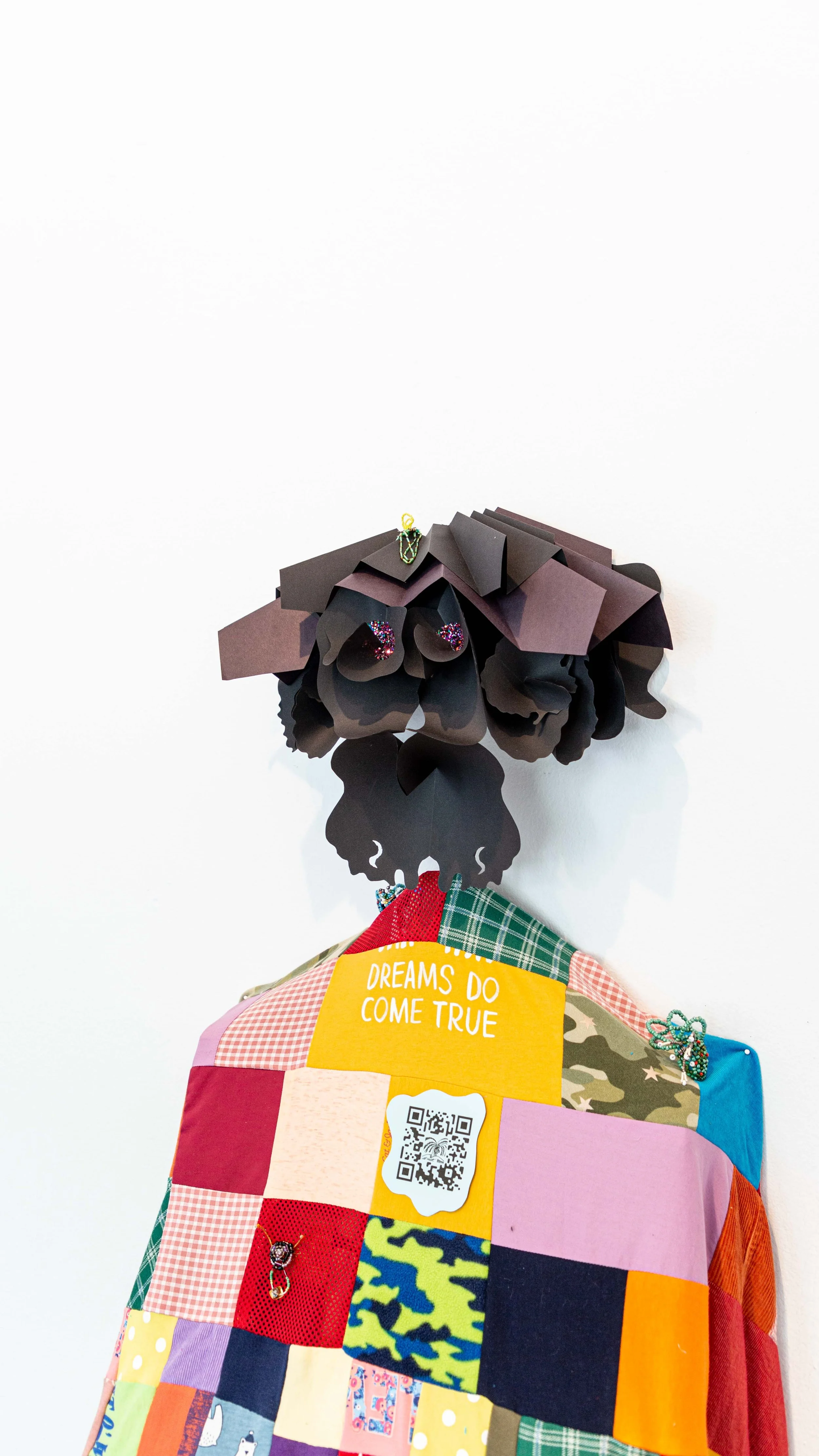
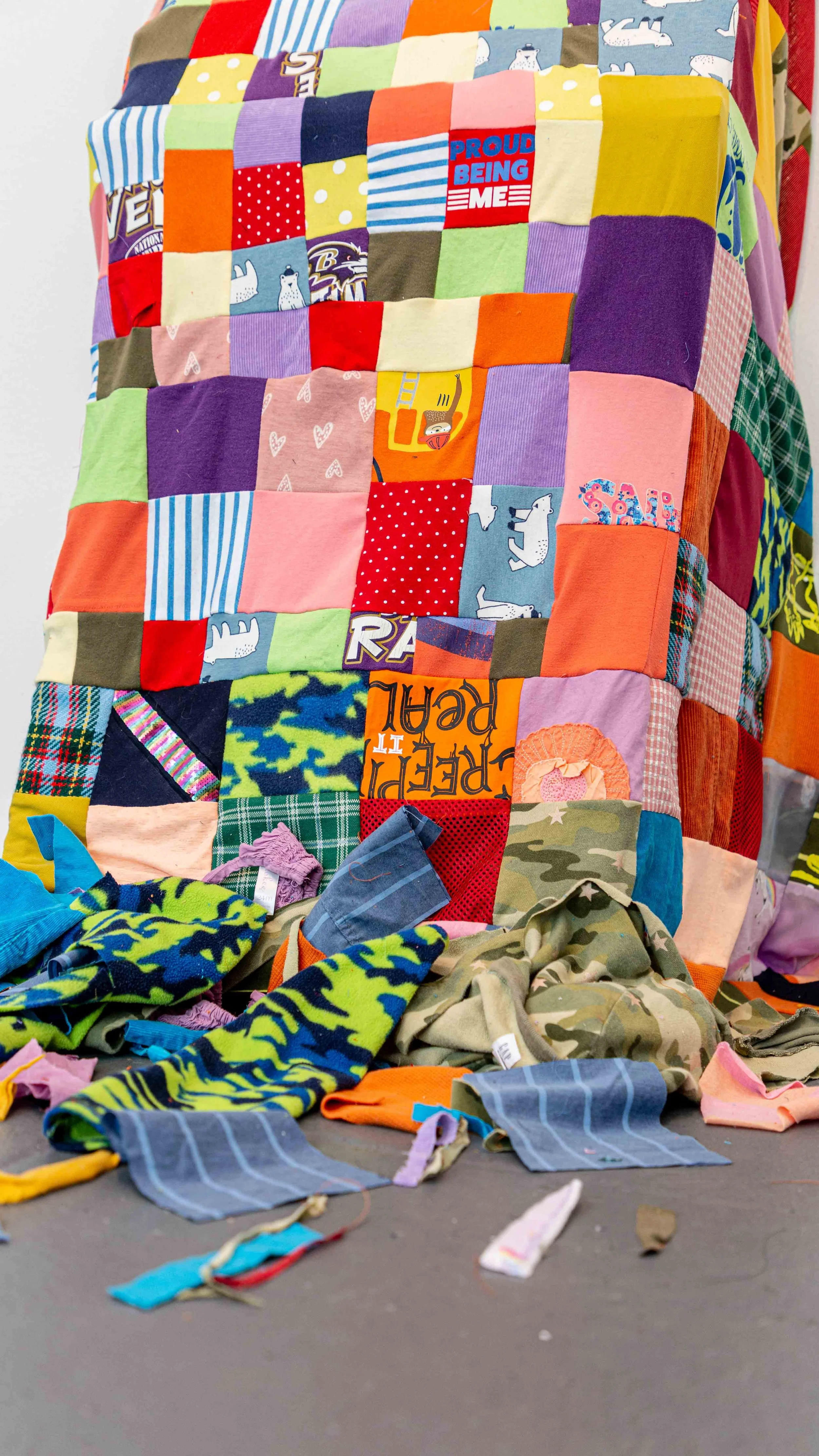
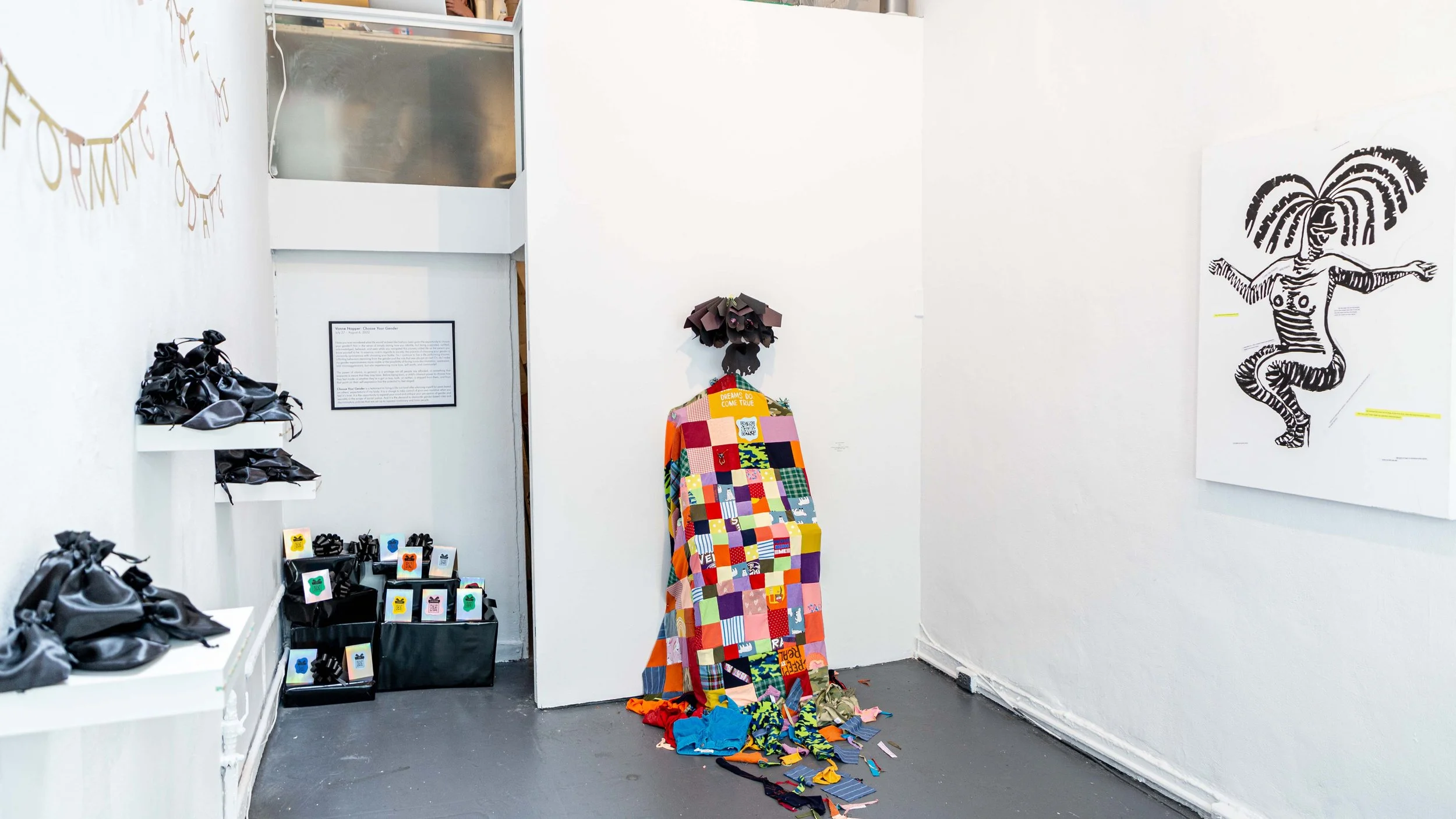
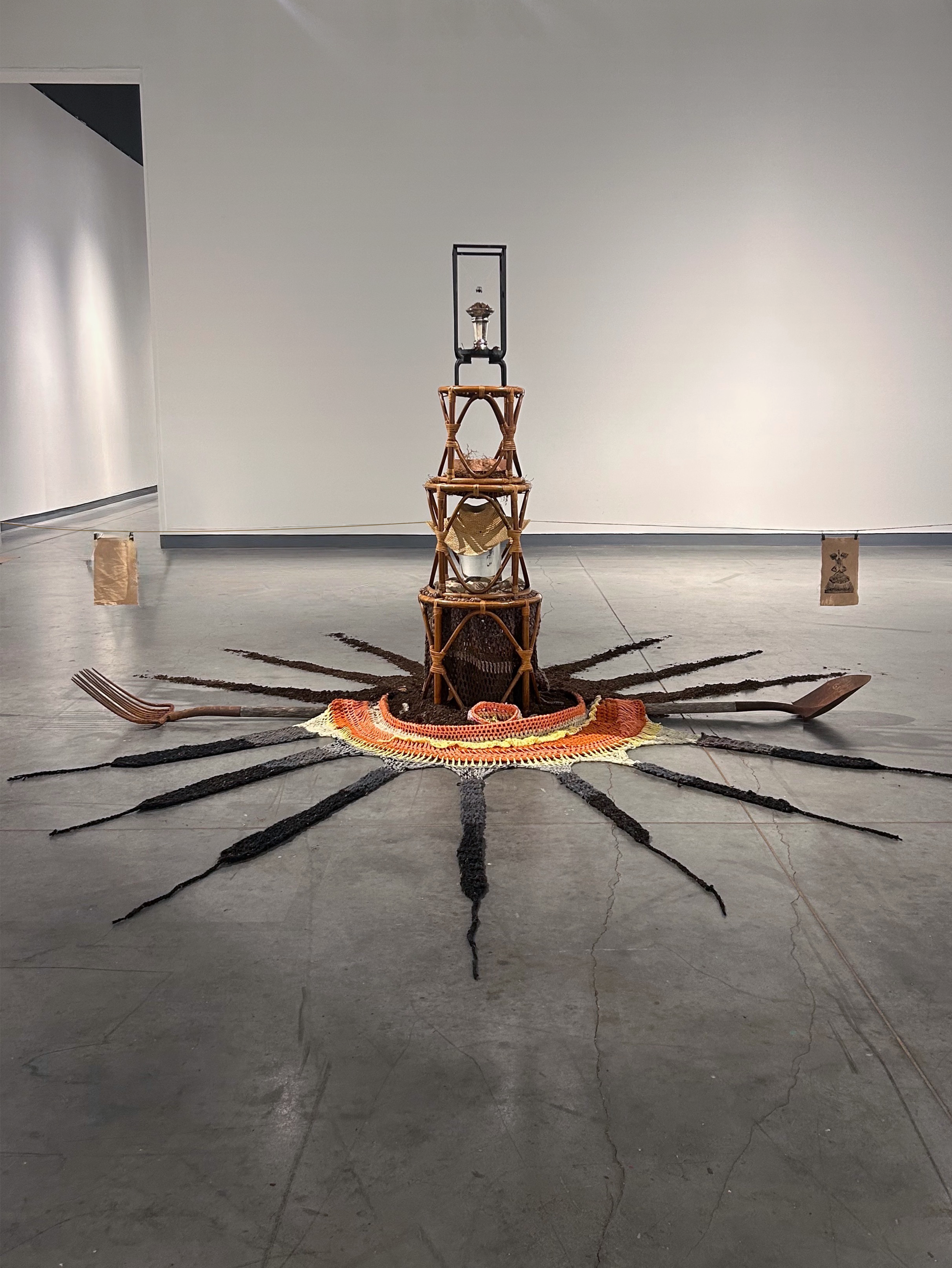
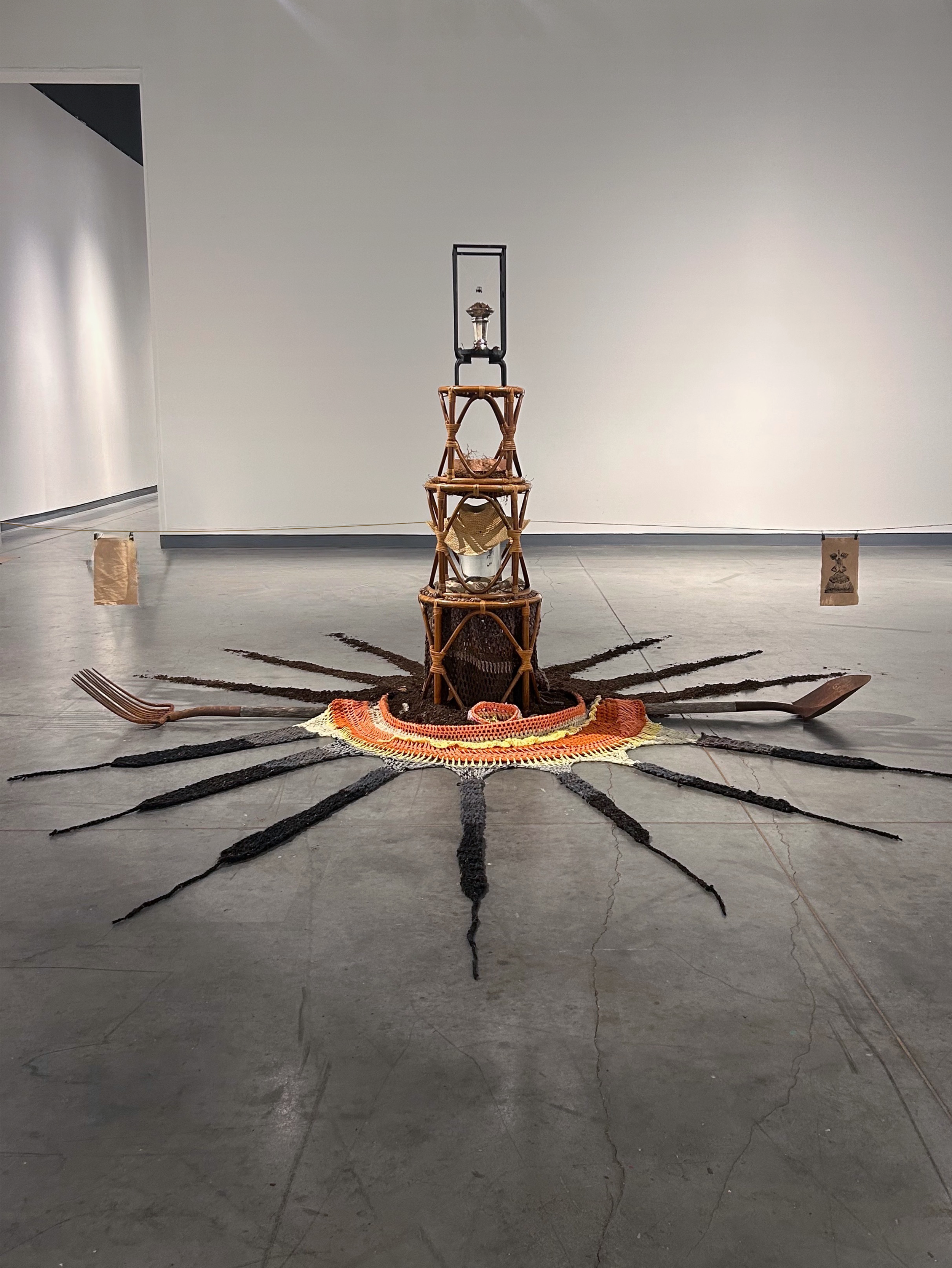
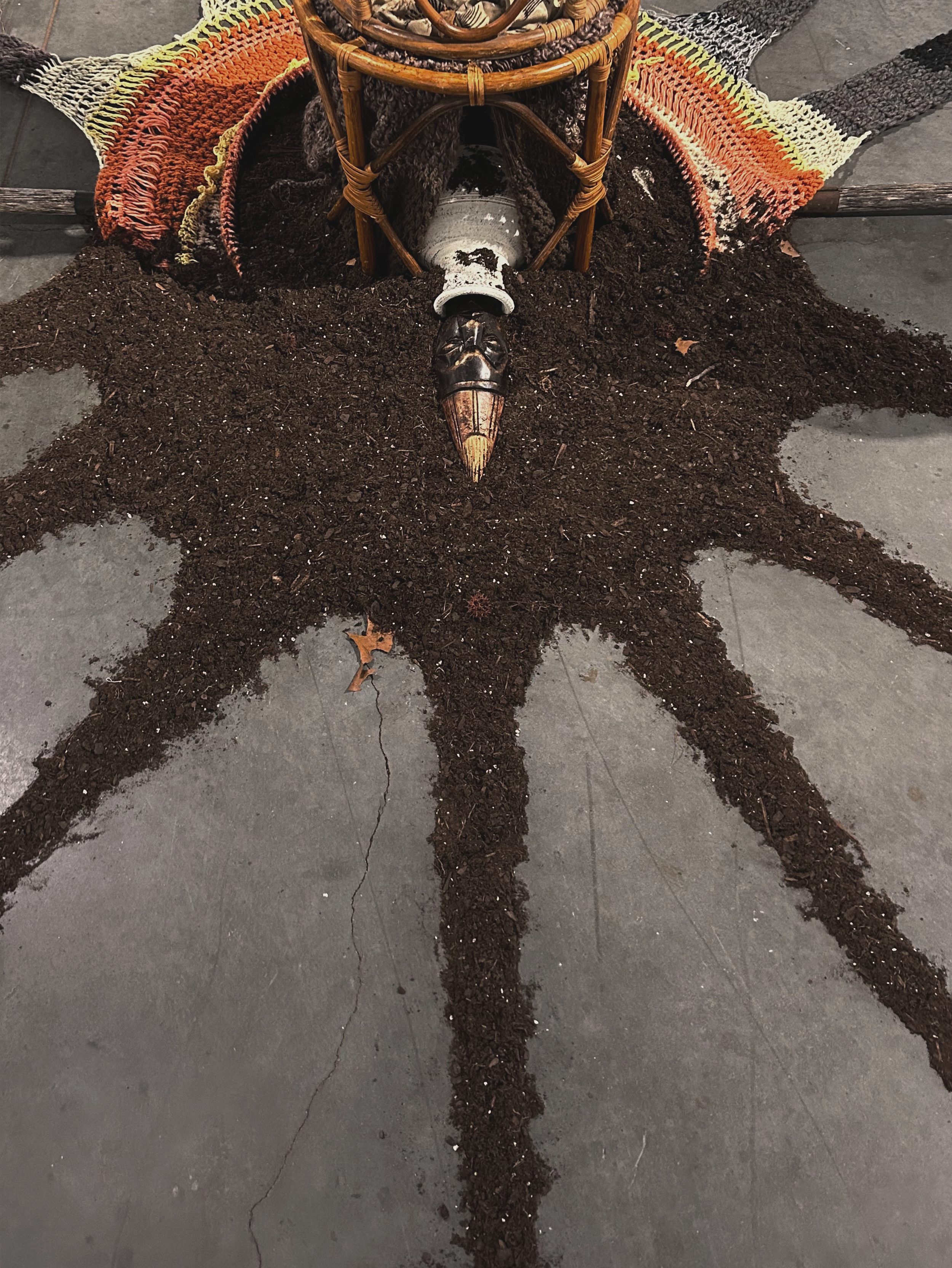
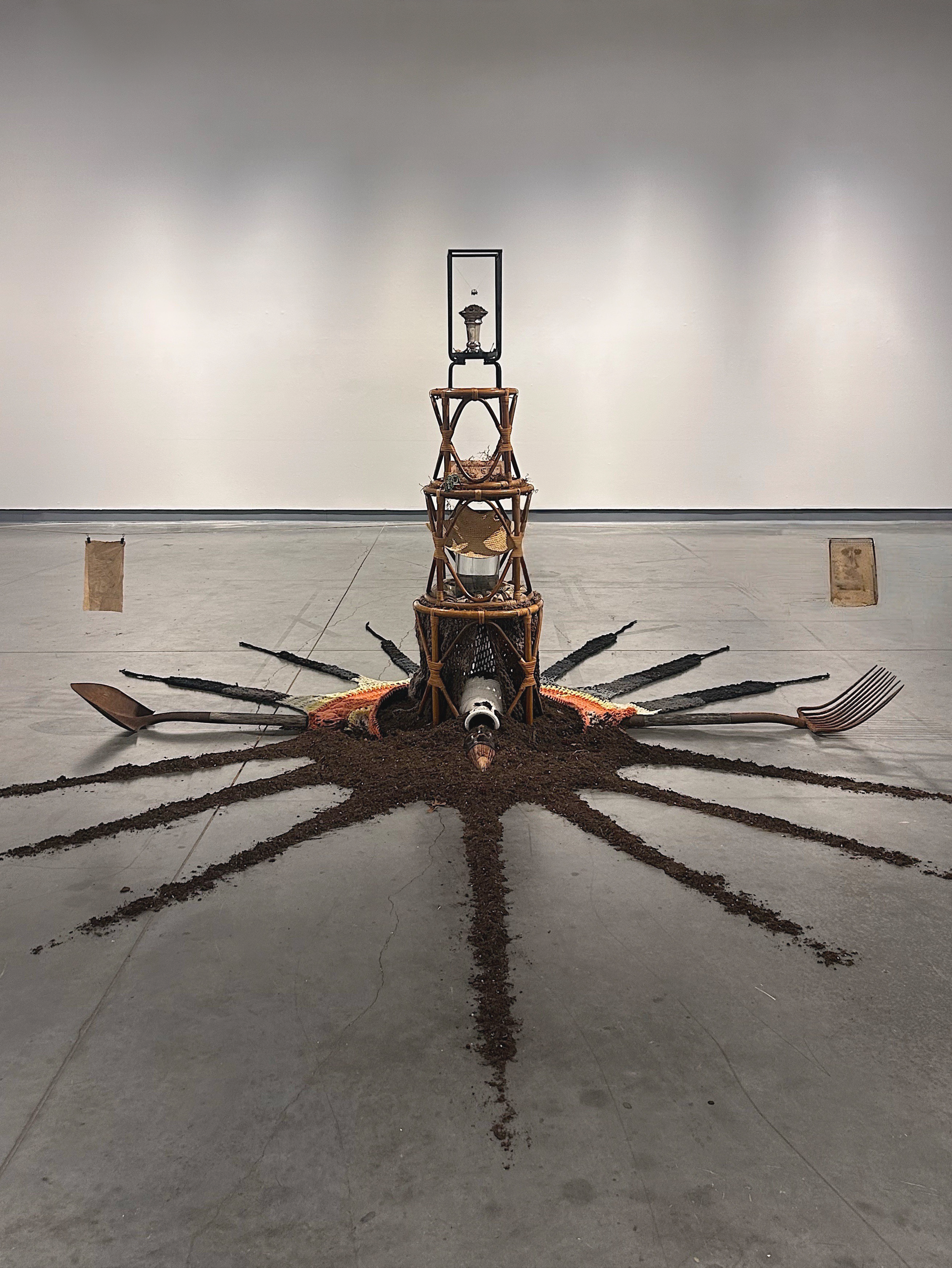
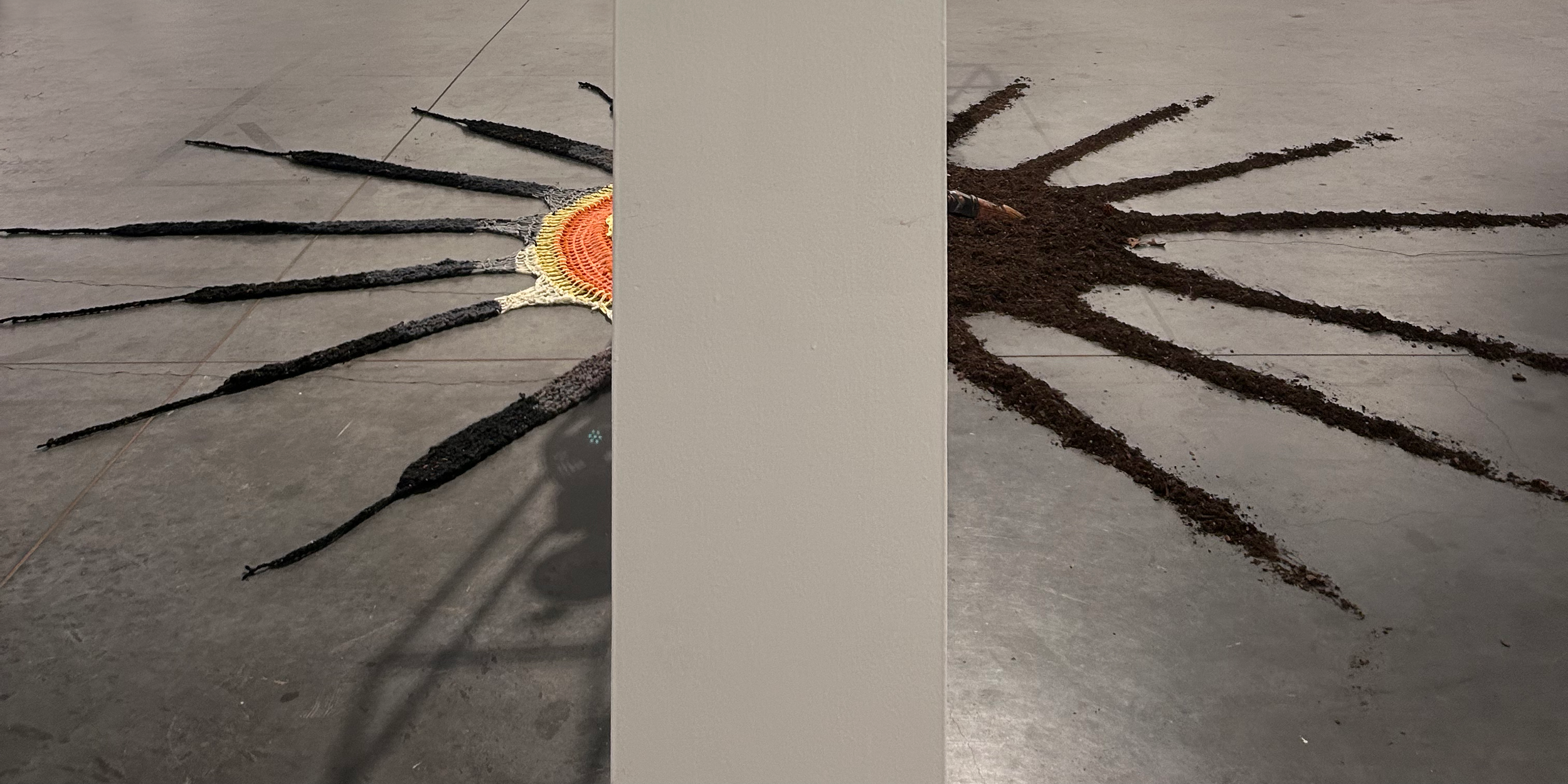
With cultural memory and inherited land stewardship, my method involves rituals and research, working with plants and other natural materials to create linocut portraiture and eco-conscious textiles rooted in Black traditions and liberative embodiment. These artistic offerings sustain accurate identification and narratives of the marginalized yet powerful communities to which I belong - black, queer, and trans - which have been left out of history far more than others. By linking the spiritual symbolism of plants and the ecosystem in which they thrive with the attributes and lived experiences of Black queer and trans people, I emphasize the intrinsic strength of our biological and divine vastness and build upon a visual vocabulary that is sparse compared to that of more historically accepted figurative, binary forms.
When creating art, the process is evolving. I tend to begin work from one perspective, pulling from my first-hand experience and examining it with others from an objective angle. As I change during the alchemical process of creation, the resulting viewpoint of an artwork is a network of concepts. More often than not, my pieces possess notions of metaphysicality. For this reason, I create pieces that encourage the viewer to question all ideas surrounding life itself, especially in terms of new ways of relating to others. By approaching my art practice with this intention, I create more balance and understanding in the world.